Hérna
Korpúlfsstaðir
2022
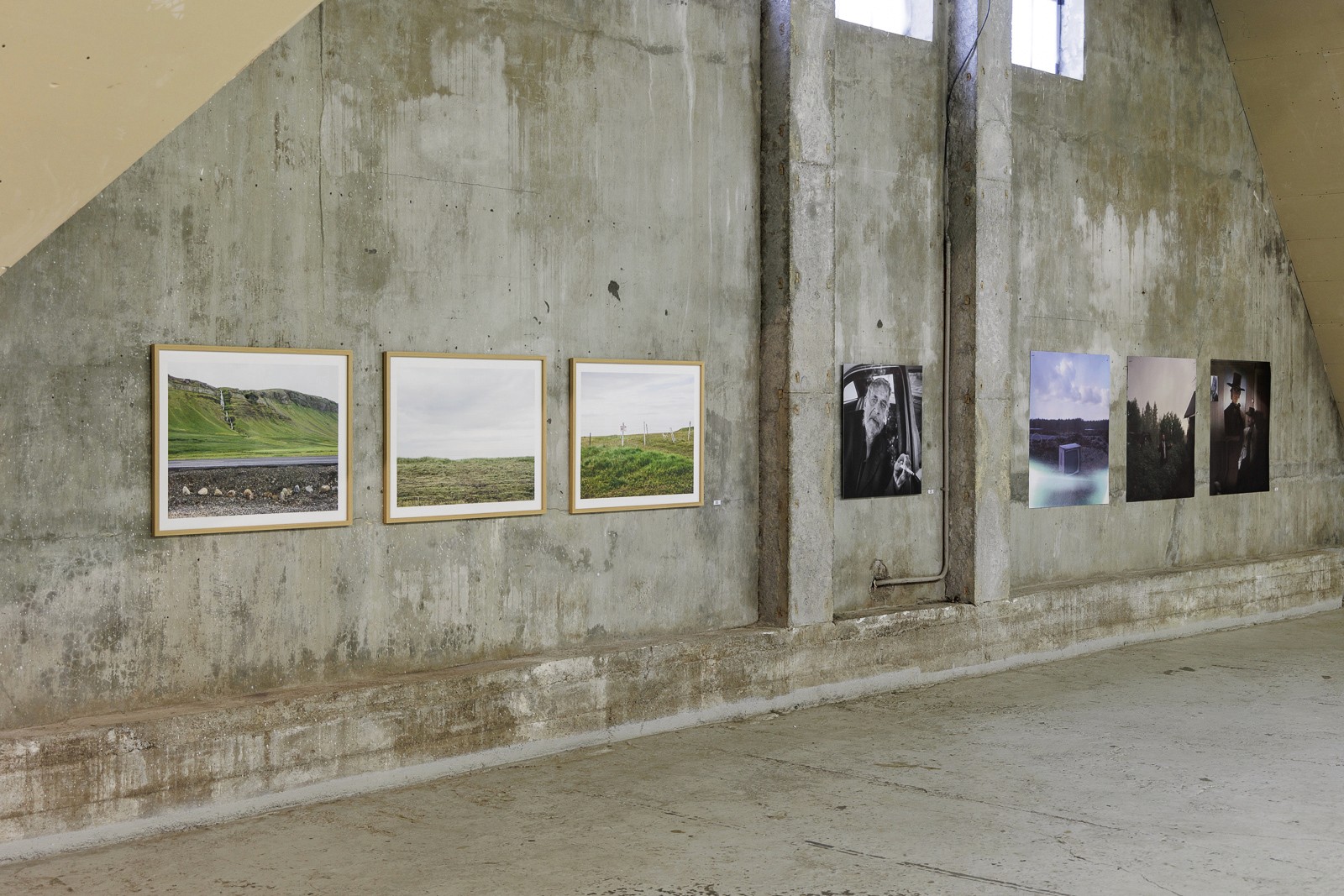
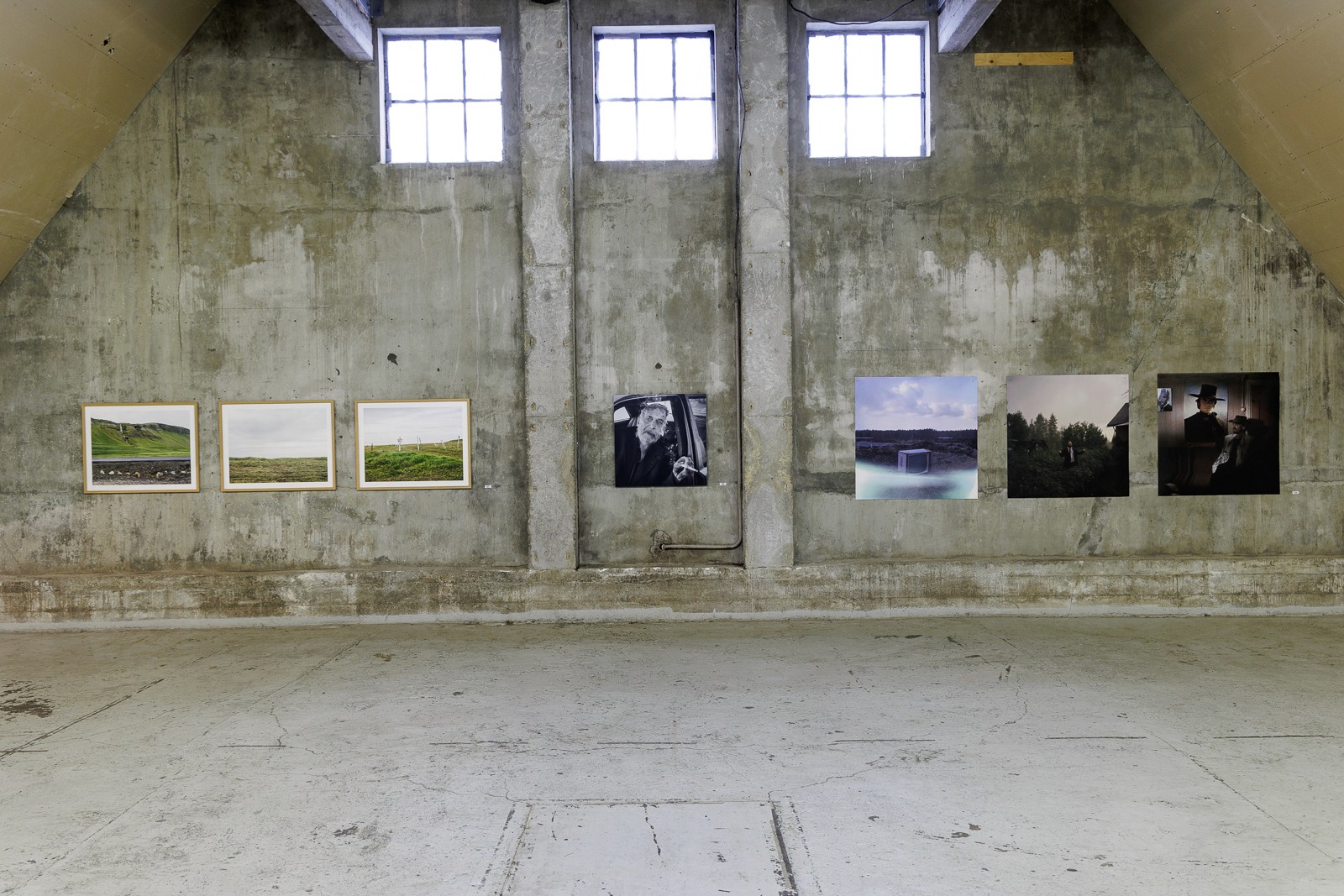
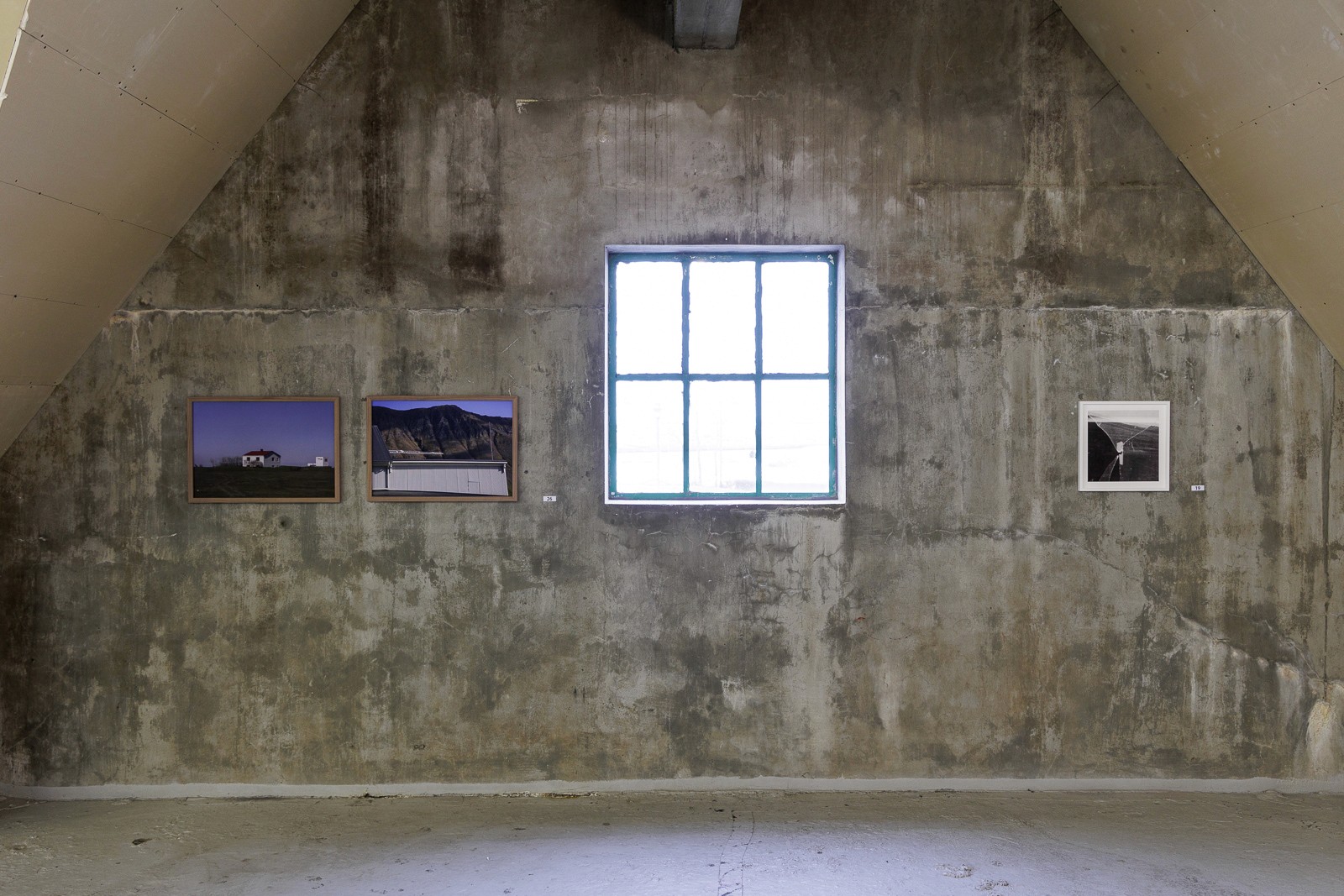
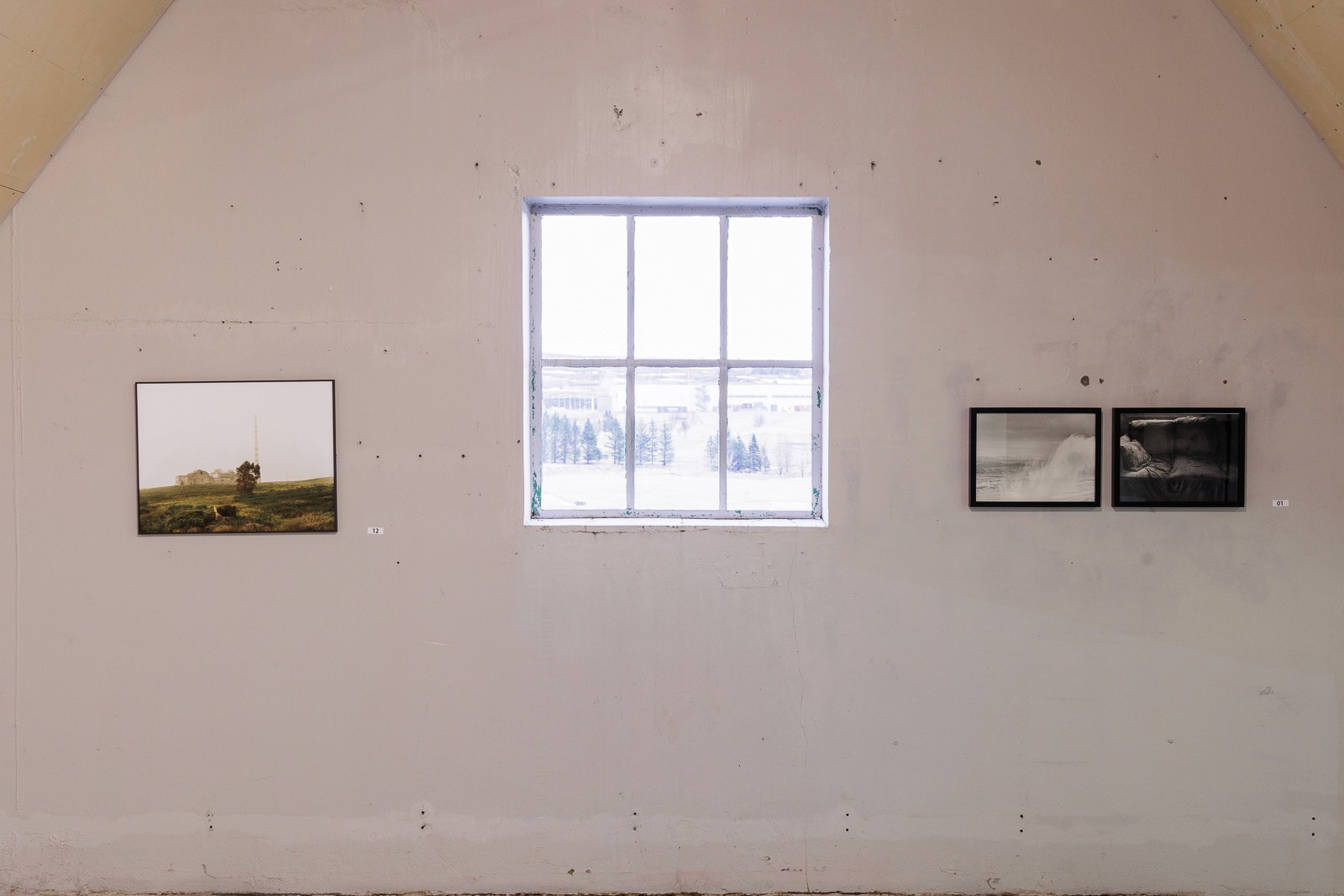
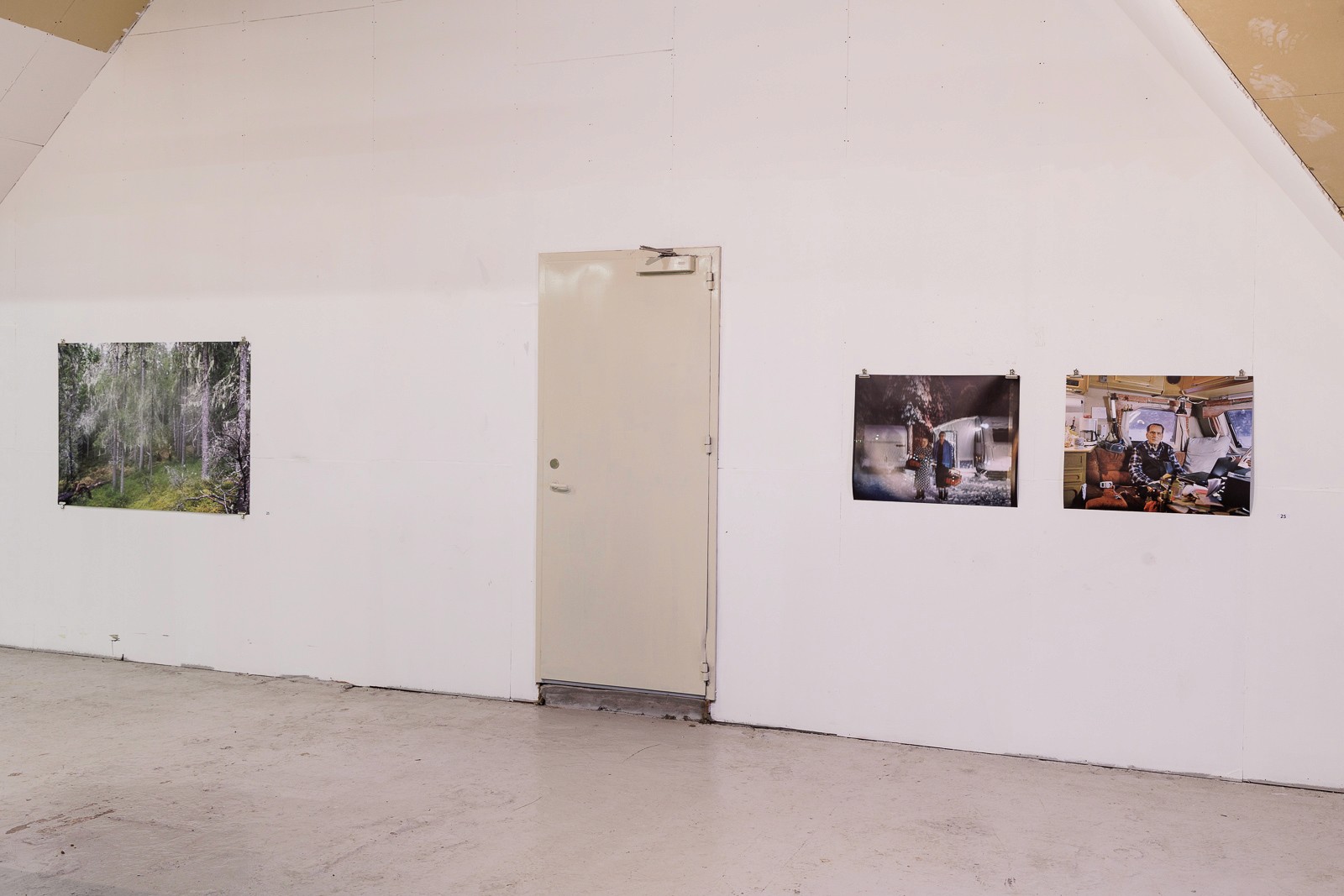
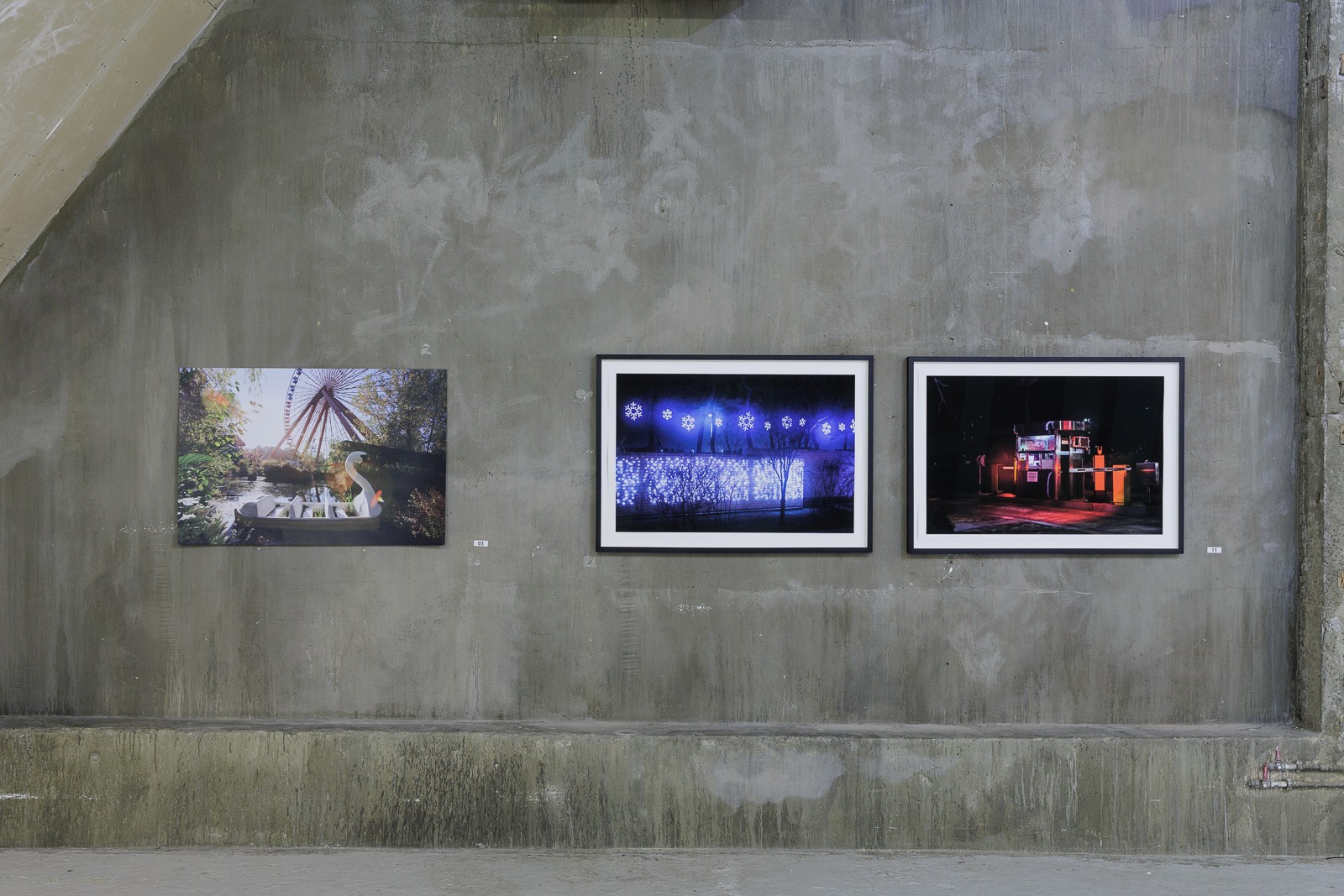
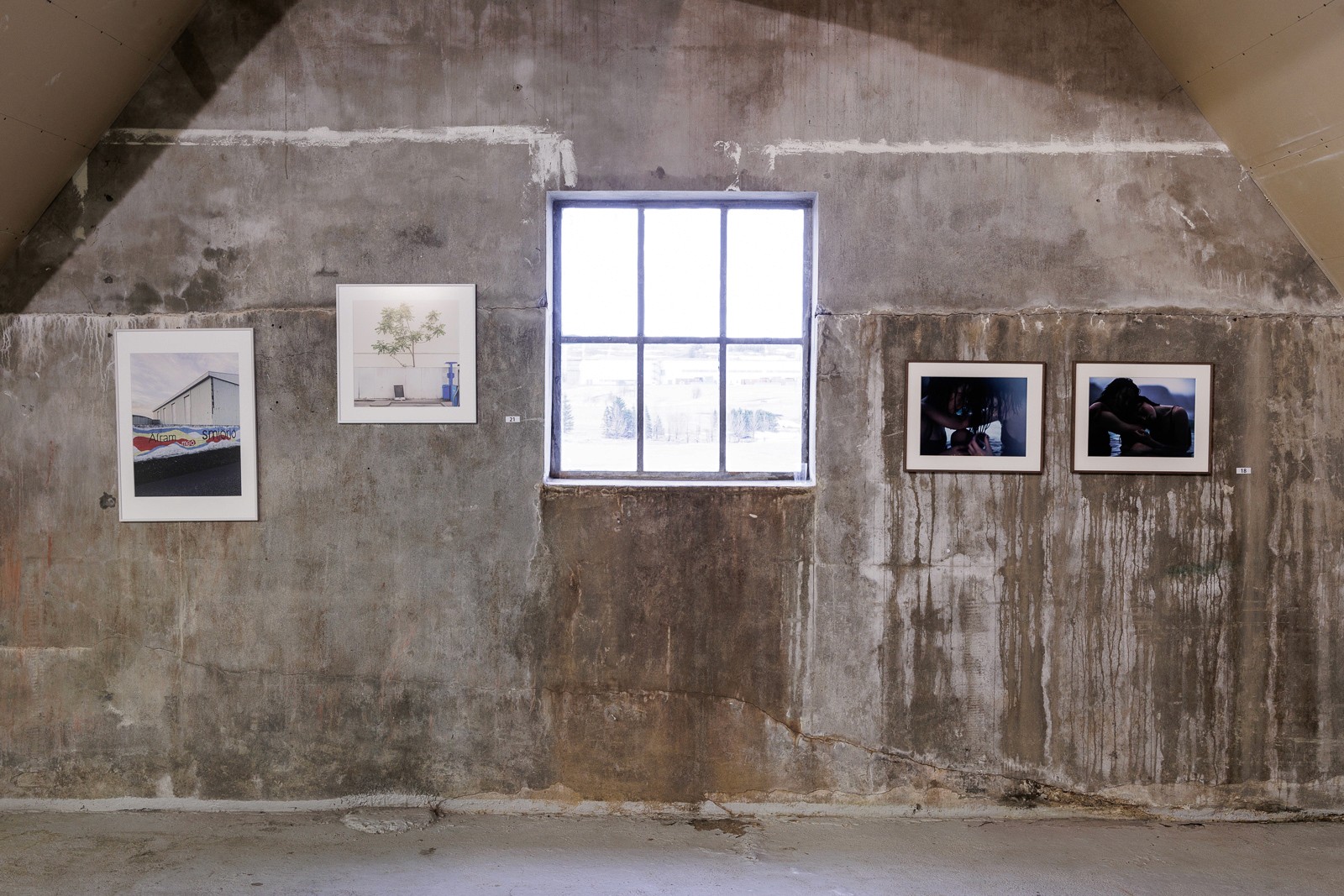
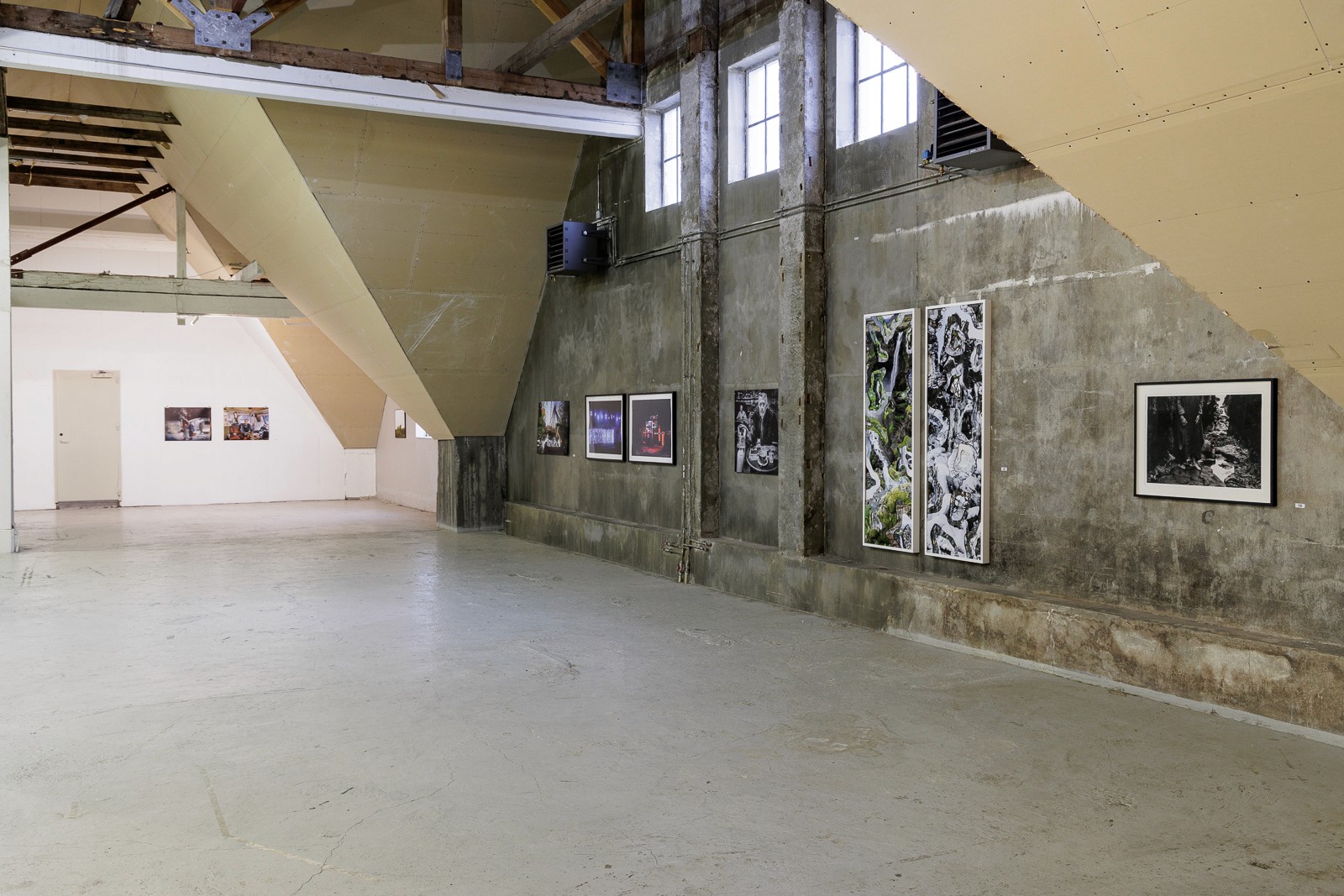
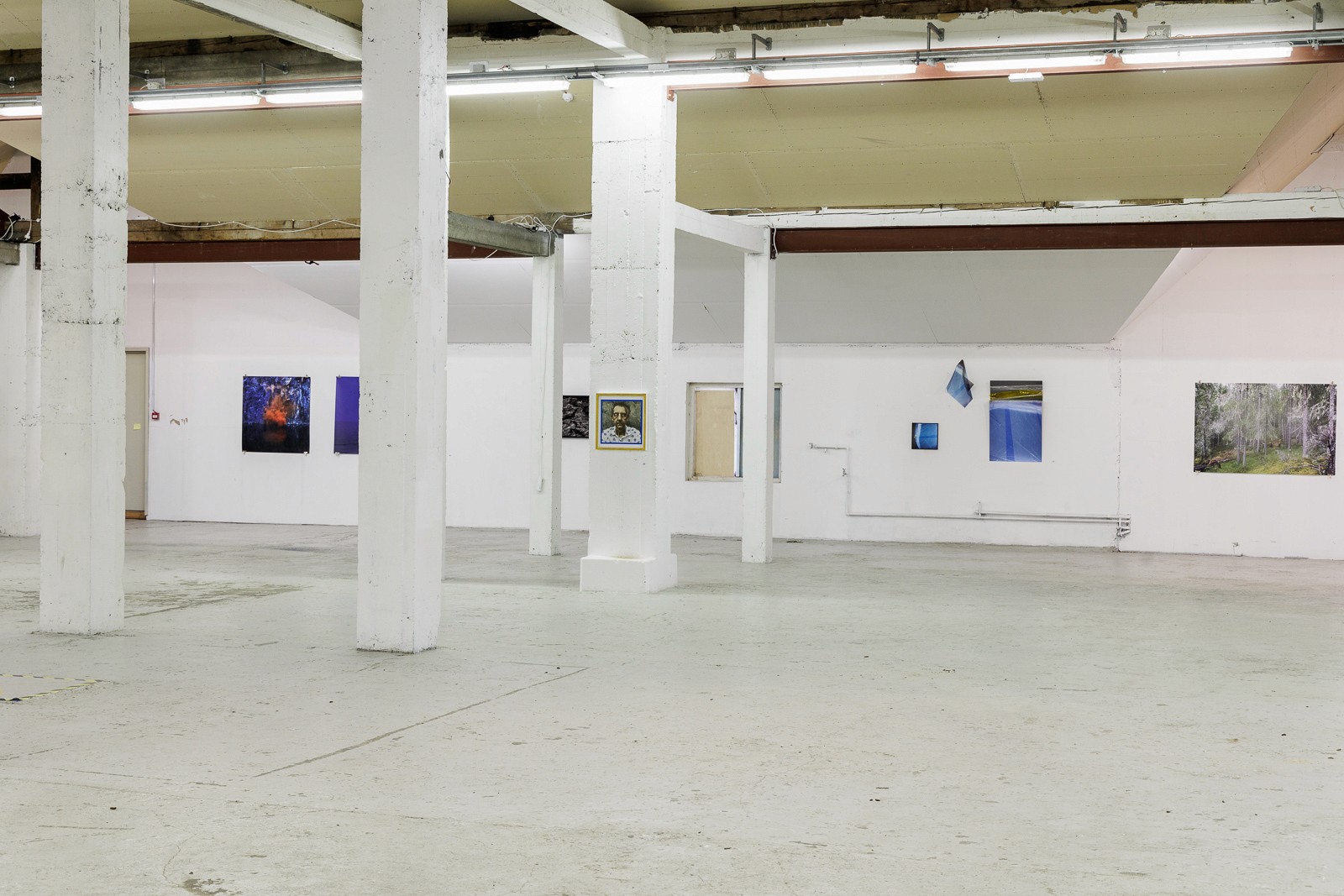
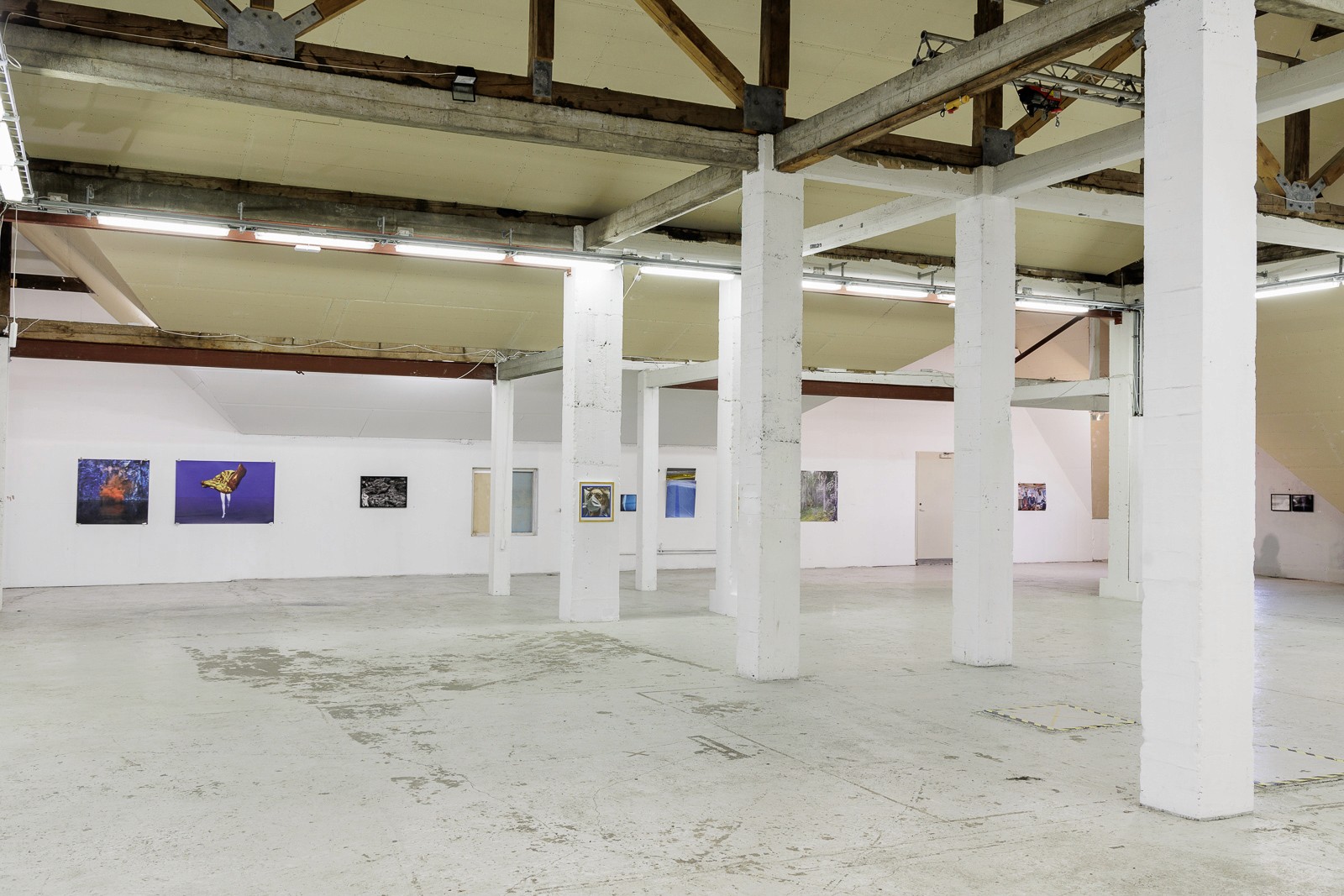
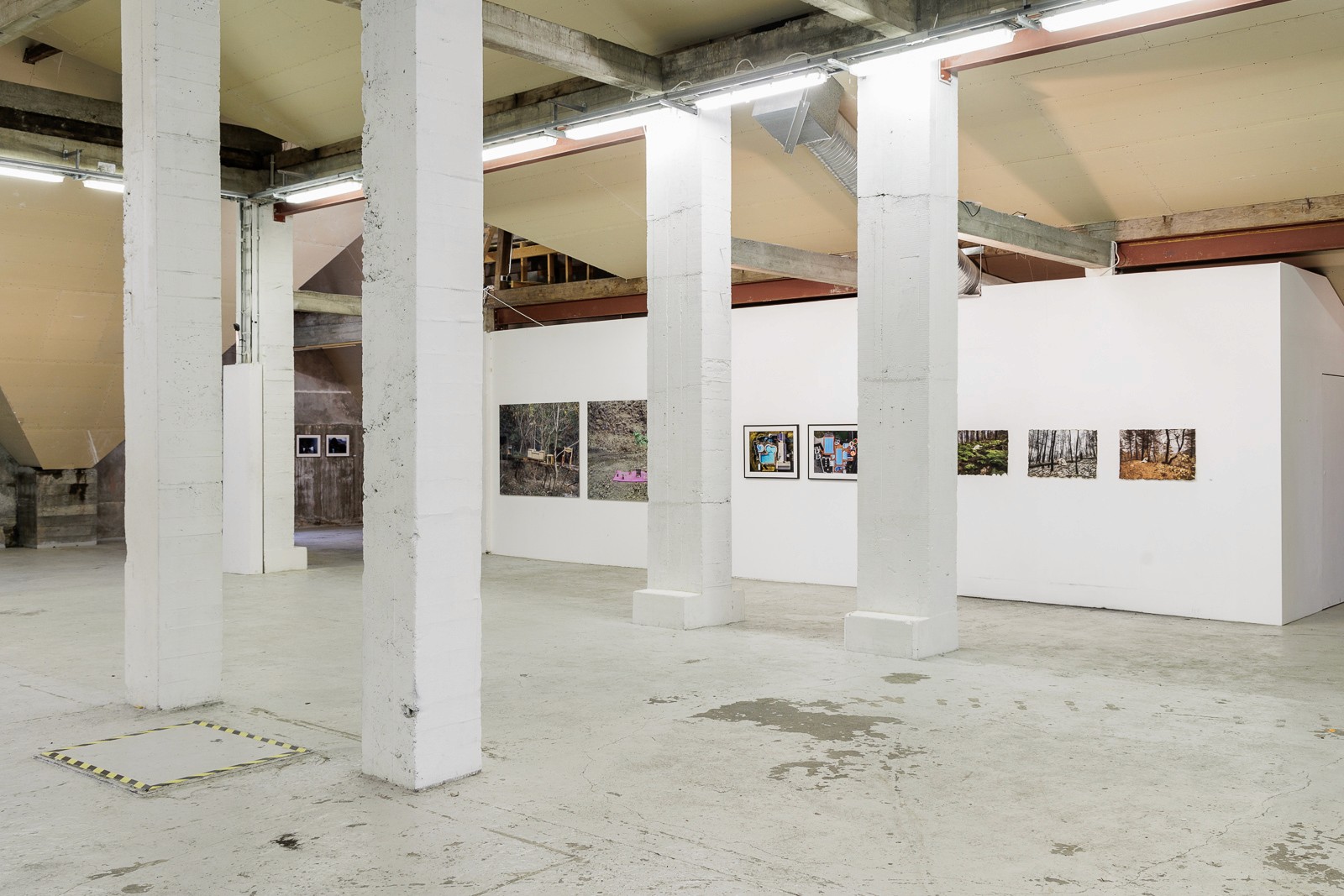
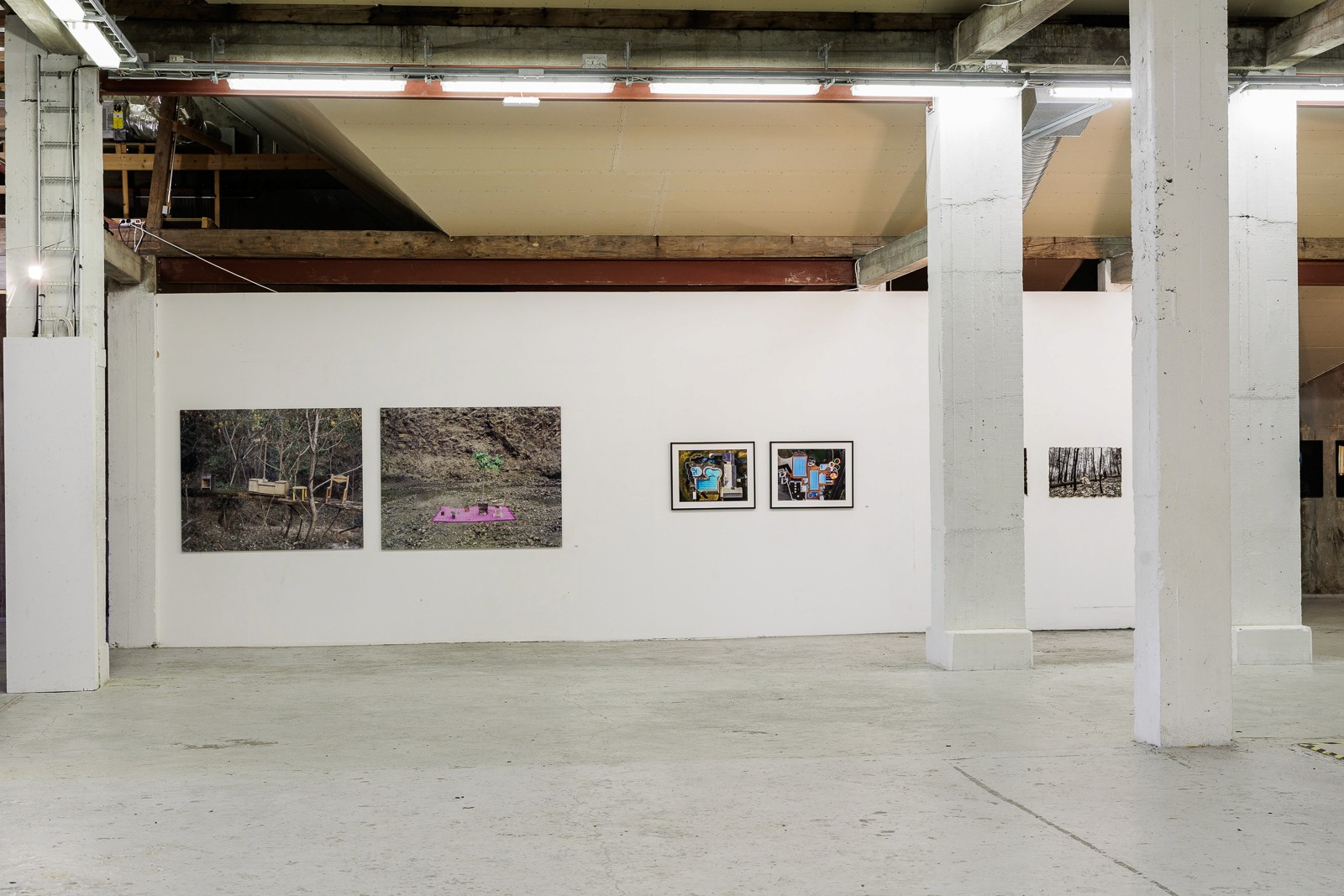
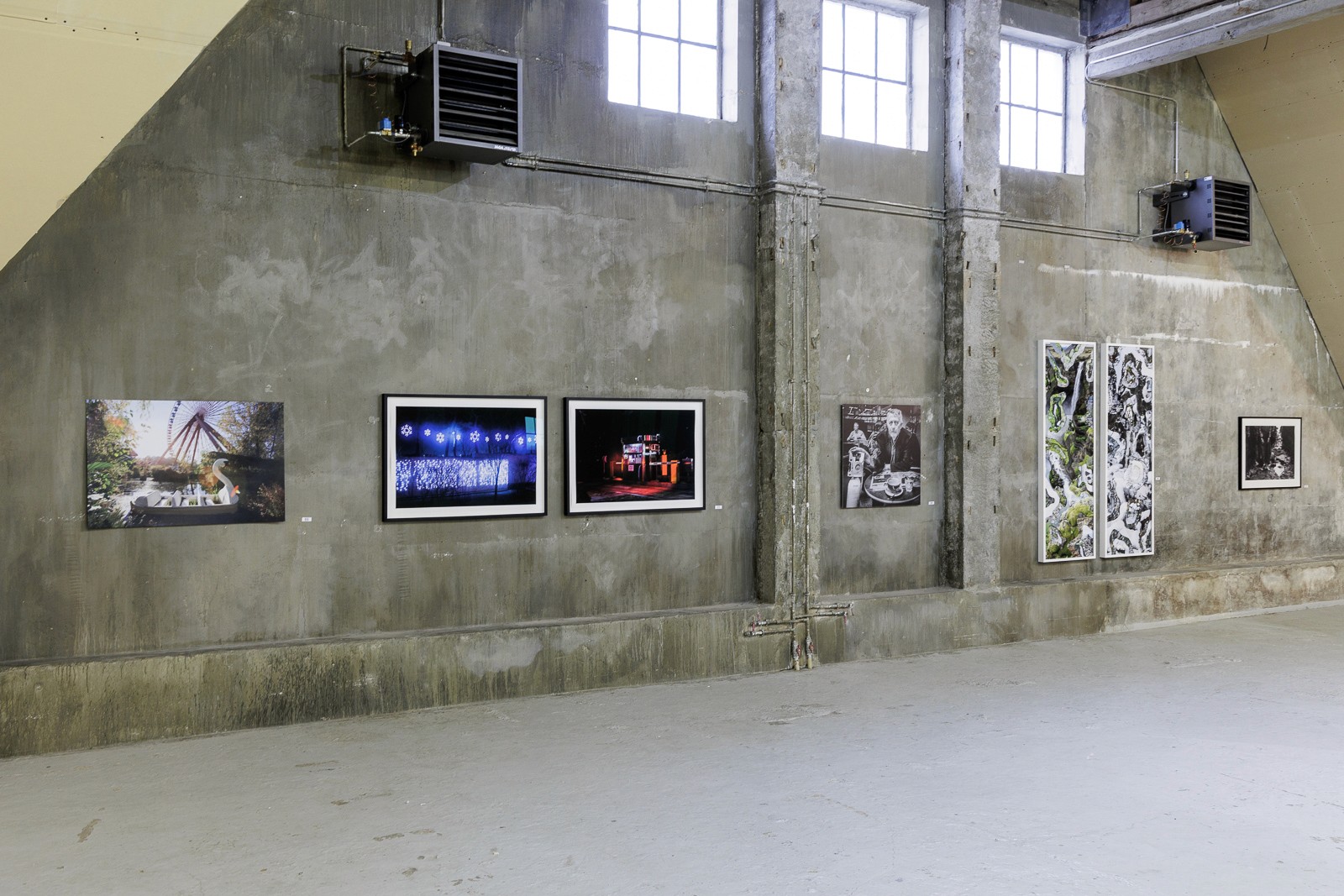
Sýningin var samsýning íslenskra og finnskra ljósmyndara og var lokahnykkur Ljósmyndahátíðar Íslands 2022.
Sýningin bar heitið “Hérna” og þar komu saman fjórir ljósmyndarar frá Finnlandi, valdir af sýningarstjóranum Mike Watson fyrir hönd Northern Photographic Center í Finnlandi, og 23 ljósmyndarar frá Íslandi sem allir eru meðlimir í FÍSL, Félagi íslenskra samtímaljósmyndara. “Hérna” sameinaði listamenn frá tveimur svipuðum en þó mjög ólíkum löndum í samræðu um hvað það þýðir að vera til staðar, hér og nú.
Eftirfarandi ljósmyndarar voru með verk á sýningunni; Agnieszka Sosnowska, Aishling Muller, Anni Kinnunen, Arttu Nieminen, Atli Már Hafsteinsson, Bjargey Ólafsdóttir, Bragi Þór Jósefsson, Charlotta Hauksdóttir, Christine Gisla, Díana Júlíusdóttir, Einar Sebastian, Ingvar Högni Ragnarsson, Janne Körkkö, Jóna Þorvaldsdóttir, Kalli Ómarsson, Kristín Bogadóttir, Kristín Sigurðardóttir, María Kjartans, Nina Zurier, Runar Gunnarsson, Sigga Ella, Skúta Helgasson, Stephan Stephensen, Stuart Richardson, Teija Soini, Þórdís Erla Águstsdóttir og Þórdís Jóhannesdóttir.
The exhibition Hérna brought together four photographers from Finland, selected by curator Mike Watson on behalf of the Northern Photographic Centre, with over twenty photographers from Iceland selected by the Icelandic Contemporary Photography Association (FÍSL) for a group show at SÍM’s Korpúlfsstaðir space. The show’s title (which in English approximately translated as “here and now”), chosen by FÍSL, gave the impetus for my own selection of Finnish photographers and the final selection of specific works from the Icelandic participants. Following a period of intense isolation and closure due to the global pandemic, Hérna brought together artists from two similar yet very different countries to share a consideration of what it meant to be present, here and now. This undertaking was considered important not only because of the estrangement we had felt from our surroundings during successive lockdowns, but also because of the general detachment from our present time and space that we collectively and individually experienced. Due to what Baudrillard would term “hyper-realisation,” we rarely found ourselves in the presence of unmodified nature, but instead existed within a hall of mirrors reflecting facsimiles of reality.
The history of the world could be seen as the history of humankind’s separation from nature in incremental stages, from the earliest tool-wielding and fire-taming efforts through industrialisation and into the internet era. With increasing speed, we experienced a growing estrangement from nature and the real. In Iceland and Nordic countries, we maintained a closer link to nature than in many other territories due to low population density. However, the high quality of internet access had an atomising effect on people already accustomed to insular ways of living because of extreme cold conditions and winter darkness. As elsewhere, the contradiction of hyperconnectivity was that it tended to keep people separated from each other and from the natural world. Even palliative nature walks were punctuated by smartphone notifications, and when (rarely) our devices were turned off, our minds tended to wander toward social media interfaces.
It was under these conditions that we emerged into a post-COVID world—the “new normal”—with a renewed intensity in our questioning of how we arrived “here and now.” Or indeed, we might have asked, “Where is here?” and “When is now?” The photographs on display in Hérna captured, individually and collectively, the photographic quest to express a moment, but were selected beyond this for their particular engagement with the nowness of our time and the way in which they located the viewer within a vision of what Hérna might mean. From the transcendental quality of Anni Kinnunen’s Vanity, to the ethereal nightscapes of Ólafsdóttir, to the fragmented spaces of Hauksdóttir’s photographic collage works, the attempt to locate ourselves in space was expressed through a unique personal voice. Above all, the photographs gave voice to one of the central problems of our time—namely, that with smartphones, GPRS tracking, and Google Maps, we knew where we were, yet we could not feel ourselves being there. As Helgason’s lockdown selfies and the lonely figures of Janne Körkkö’s Night River series attested, awareness of our being in time and space—so essential to our wellbeing—required coexistence within a community. Rebuilding that community began there and then.